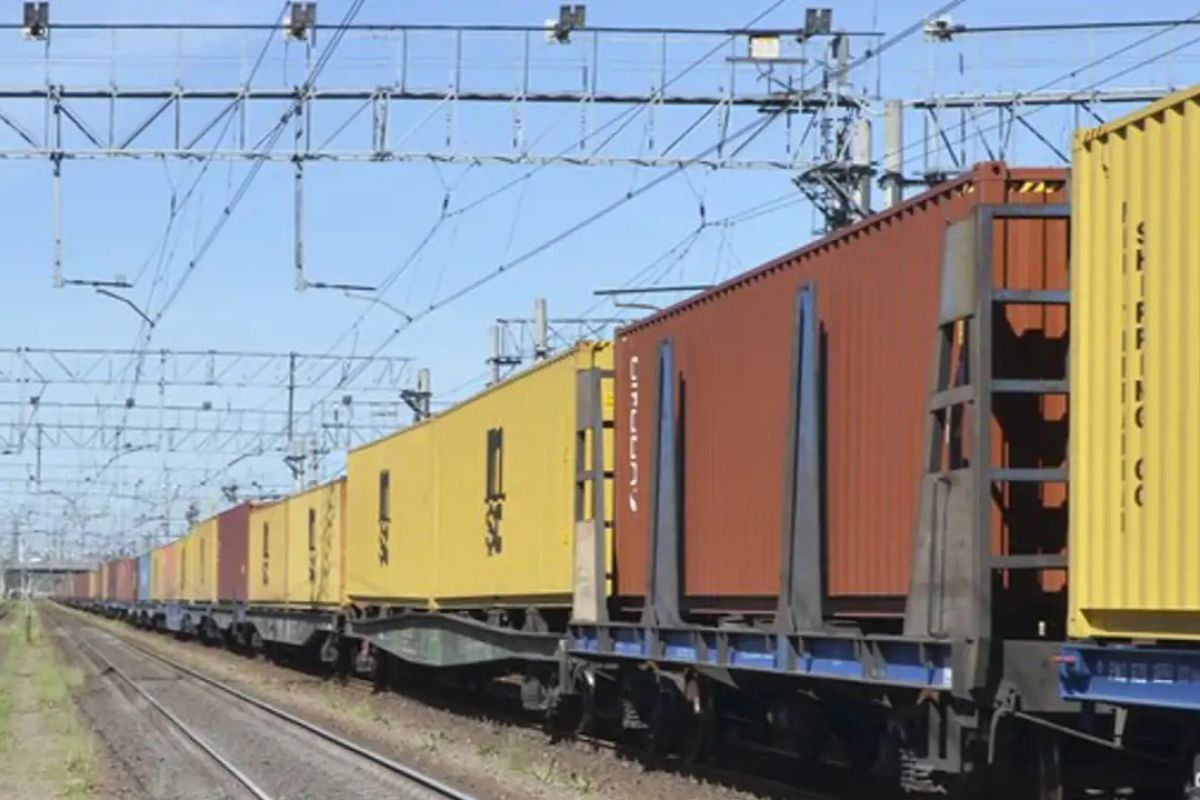
The International Union of Wagon Keepers (UIP) has cautiously welcomed Switzerland’s move to postpone its strict new wagon-inspection rules by one year. The measures, introduced by the Swiss Federal Office of Transport (FOT), will now apply from the end of 2026. However, UIP warns that the decision—taken without coordinated EU consultation—continues to pose a major risk to the free movement of goods across Europe.
According to UIP, the Swiss plan still creates 'serious operational and economic consequences' for cross-border rail freight, particularly on key Alpine transit corridors. The organisation argues that the rules contradict the EU-Switzerland Land Transport Agreement and violate the principle of interoperability.
"This additional time must be used to develop coordinated, evidence-based solutions that enhance safety without disrupting operations," UIP stated.
Safety Progress Recognised, But Concerns Remain
UIP emphasises that wagon keepers have already played a leading role in improving rail safety in Europe—investing more than €2 billion annually in wagon technology, monitoring systems and maintenance. Through the Joint Network Secretariat (JNS), the sector has supported major safety upgrades, including modern wheel designs and stricter maintenance regimes.
Despite this, the Swiss decision requires wagon inspections only in stationary workshops and outside regular maintenance intervals, which UIP says would significantly reduce wagon availability and disrupt industrial supply chains. Even after adjustments, around 46,000 wagons operated by UIP members could still be affected.
Legal and Market Implications
UIP notes that several industry players are now preparing legal challenges against the FOT ruling. With most freight traffic through Switzerland being international, the organisation warns that unilateral national rules could damage Europe’s logistics competitiveness.
Call for a Joint European Solution
UIP is urging Switzerland, the European Union Agency for Railways (ERA) and JNS to use the postponement period to agree on a single harmonised framework by 2026.
"Safety must be improved collectively—not through isolated national decisions," UIP said, adding that cooperation is essential to both rail safety and economic resilience.