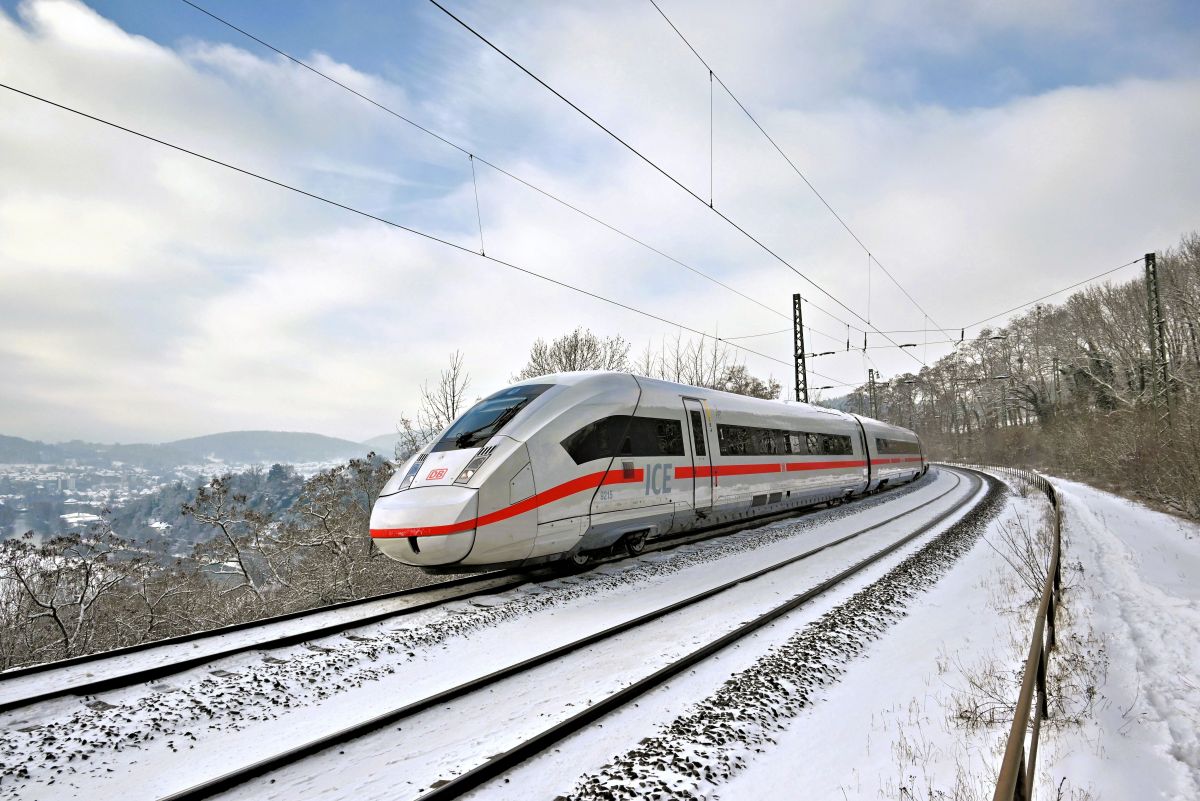
Germany’s long-distance passenger rail services recorded their worst punctuality result to date in 2025, according to data reported by BILD. The newspaper cites information showing that Deutsche Bahn’s long-distance trains achieved an annual punctuality rate of just 60.1%, down from 62.5% in 2024.
The figures represent a negative milestone for Deutsche Bahn’s long-distance division and coincide with the final months in office of former CEO Richard Lutz, who left the group earlier than planned in October 2025. During the year, performance deteriorated further, with BILD reporting that in October 2025 only around every second long-distance train reached its destination on time.
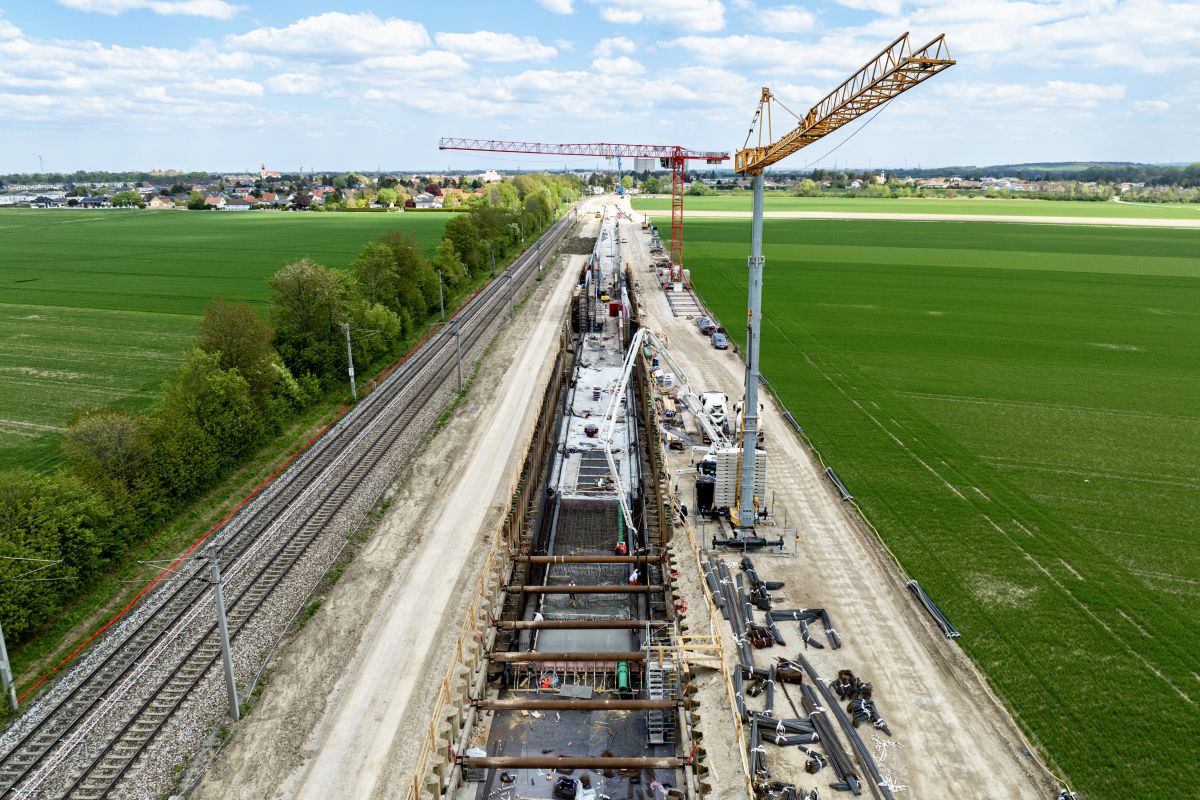
According to BILD, the decline in punctuality is primarily attributed to a combination of structural issues within the rail network and extensive construction activity. Large-scale corridor upgrades and network-wide modernisation projects resulted in numerous temporary speed restrictions and line closures, placing additional pressure on timetable stability.
At the same time, long-standing infrastructure deficits continue to affect operational reliability. Years of accumulated underinvestment have led to a higher failure rate in critical assets such as switches, track infrastructure and signalling systems, increasing the likelihood of disruptions across the long-distance network.
A spokesperson for Deutsche Bahn confirmed the poor 2025 punctuality figures to BILD, stating that rapid improvements should not be expected immediately. The company indicated that it is entering a new phase aimed at restoring reliability and service quality for passengers.
Responsibility for improving performance now lies with DB’s new chief executive, Evelyn Palla. As reported by BILD, the turnaround strategy is closely linked to unprecedented levels of public funding. The German federal government plans to invest €23 billion in rail infrastructure in 2026 alone, while €107 billion is earmarked by 2029 for the modernisation and renewal of tracks, stations and digital systems. Alongside investment, Palla has initiated internal reforms, including management changes and a leaner executive structure, as Deutsche Bahn seeks to reverse the downward trend in long-distance punctuality.