ÖBB Rail Cargo Group (RCG) has conducted winter trials of the Digital Automatic Coupling (DAC), one of the key technologies planned for the future of European rail freight. The tests aimed to evaluate how the system performs under demanding weather conditions while also advancing preparations for large-scale deployment across Europe.
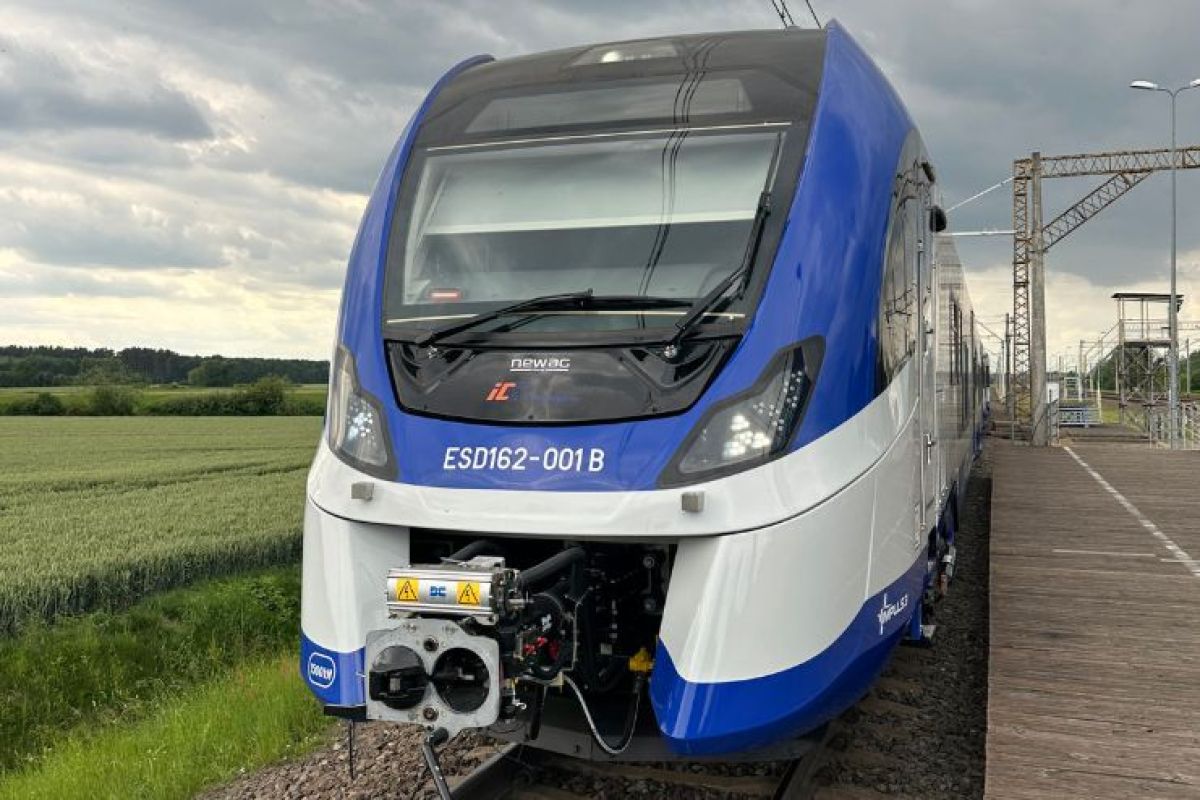
The DAC system replaces the traditional manual screw coupling that has been used in European freight trains for more than a century. In addition to automating the mechanical coupling process, the technology also provides integrated air, power and data connections between freight wagons. This enables continuous digital communication along the train and forms the basis for new operational functions such as automated brake testing and data-driven monitoring.
To evaluate the system in real operating conditions, RCG deployed a dedicated demonstration freight train equipped with coupling systems from multiple manufacturers. The aim was to verify interoperability between different technologies while testing the interaction of mechanical components, electrical systems and digital data transmission across the entire train.
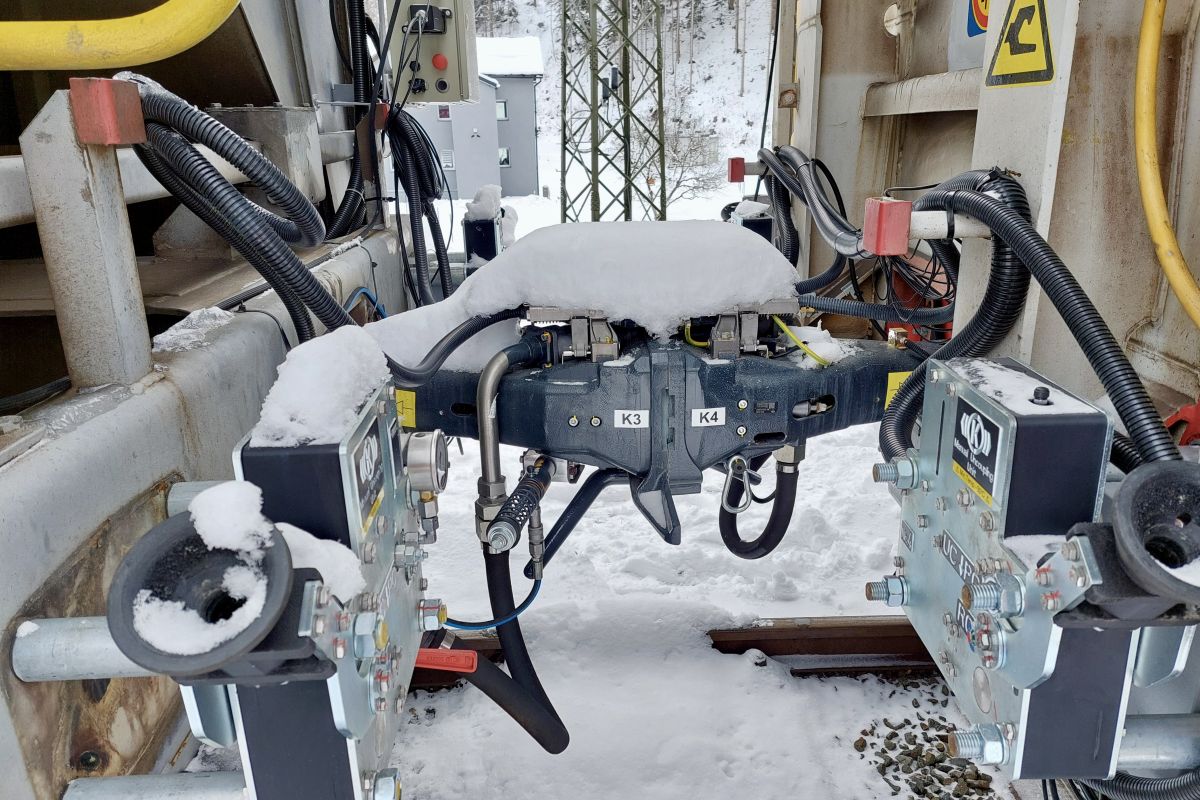
The latest test phase took place in Austria, where the train was exposed to severe winter conditions. Over a three-week period at the Schwarzach-St. Veit station in the Salzburg region, the system was tested in temperatures down to –15 °C, with snow and freezing rain. Engineers focused on repeated coupling operations, remote electrical uncoupling and the reliability of air and data connections essential for safe brake operation.
Additional endurance tests were carried out in Böckstein, where the train remained stationary for ten days to simulate typical freight operating conditions. Snow and ice were deliberately allowed to accumulate on key components in order to identify potential vulnerabilities affecting lubricants, seals and electrical contacts.
According to preliminary results, the tested systems showed high reliability even under demanding winter conditions. Bettina Castillo, Member of the Management Board of ÖBB Rail Cargo Group, said the tests provide important insights for further development and confirm the direction toward a standardised digital coupling for Europe’s freight network.
The Digital Automatic Coupling is widely seen as one of the most important innovation projects in European rail freight. By enabling automation and digital connectivity along freight trains, the technology is expected to improve efficiency, safety and competitiveness while supporting the long-term shift of freight transport to rail.