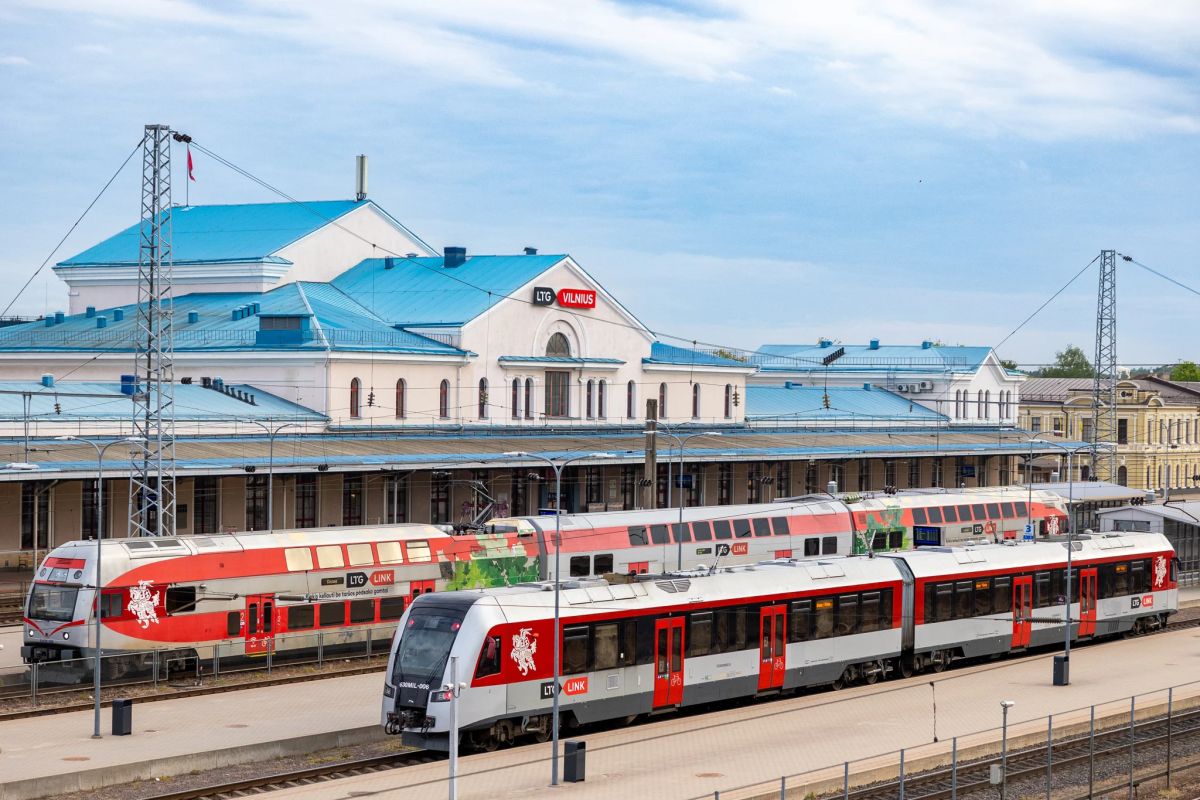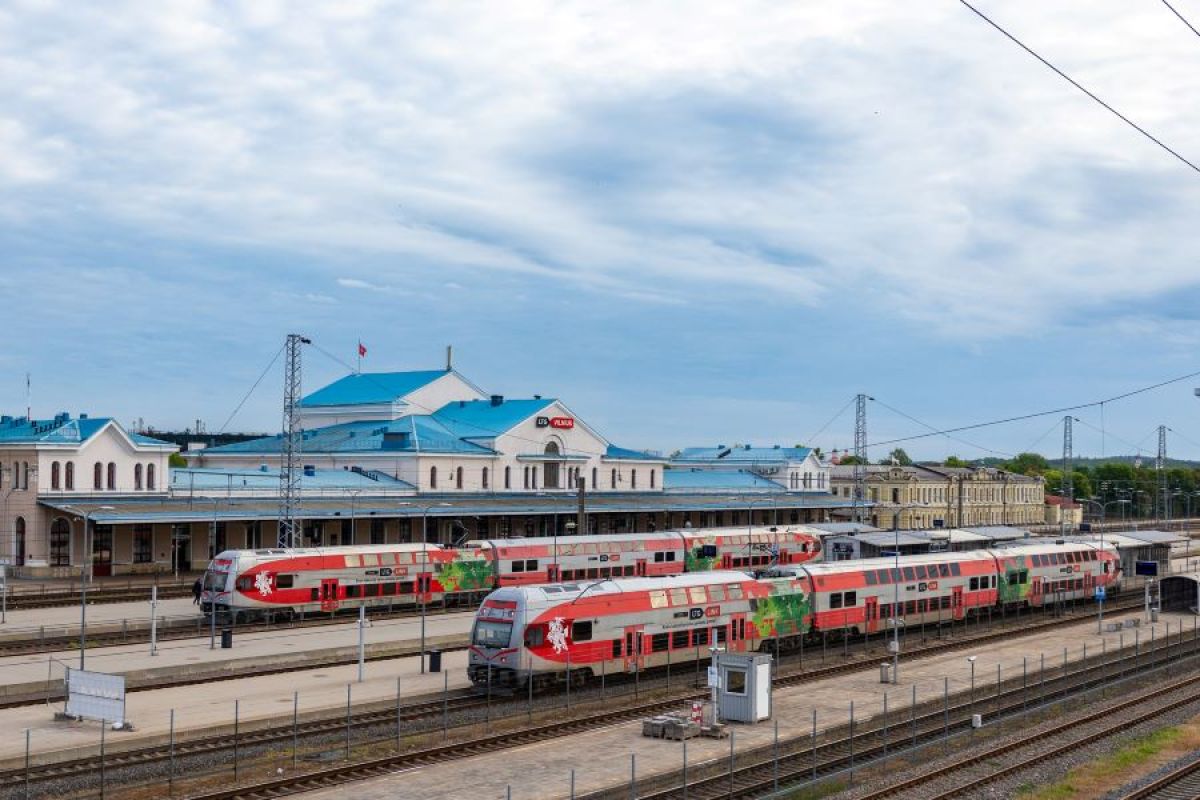
LTG Infra is entering a new phase of digitalisation with the rollout of a nationwide Yard Management System (YMS), aimed at transforming station operations and traffic planning across Lithuania.
The new platform will replace the legacy STOKIS system, which has been in use for more than two decades, and will serve as the core digital backbone for managing station processes, data exchange and operational planning.
From an operational perspective, the upgrade addresses long-standing challenges linked to fragmented workflows, manual processes and limited data integration, which have affected efficiency and increased the risk of errors.
The implementation will begin with a pilot phase at six stations, followed by a gradual rollout across the full network of 106 stations.
For rail freight operators, the new system is expected to deliver more accurate resource planning, faster wagon turnaround and shorter reaction times, with automated support for shunting operations and train formation.
A key feature of the system is its integration with both traffic management and enterprise systems, enabling real-time data exchange and automated processes such as invoicing. Standardised European data formats are also expected to improve interoperability across the wider logistics chain.
The shift to YMS reflects a broader move towards automation and digital coordination in rail operations, replacing manual tasks with system-driven processes and improving overall data quality.
The project, valued at nearly €2.6 million, also includes long-term maintenance and support. Implementation will be carried out by Petrosoft.pl, a technology provider with experience in railway and logistics systems.
For the sector, the rollout highlights the growing importance of digital infrastructure as a key enabler of efficiency, transparency and competitiveness in European rail networks.