Germany’s rail freight sector, represented by organisation Netzwerk Europäischer Eisenbahnen, is calling for reform of the track access charge system, with a proposed “public interest” model based on marginal costs and multi-year price stability.
The current German track access charge system has applied since 2017. It is based on EU Directive 2012/34/EU and Germany’s Railway Regulation Act, with national rules determining how DB InfraGO’s costs and allowed returns are recovered from train operators.
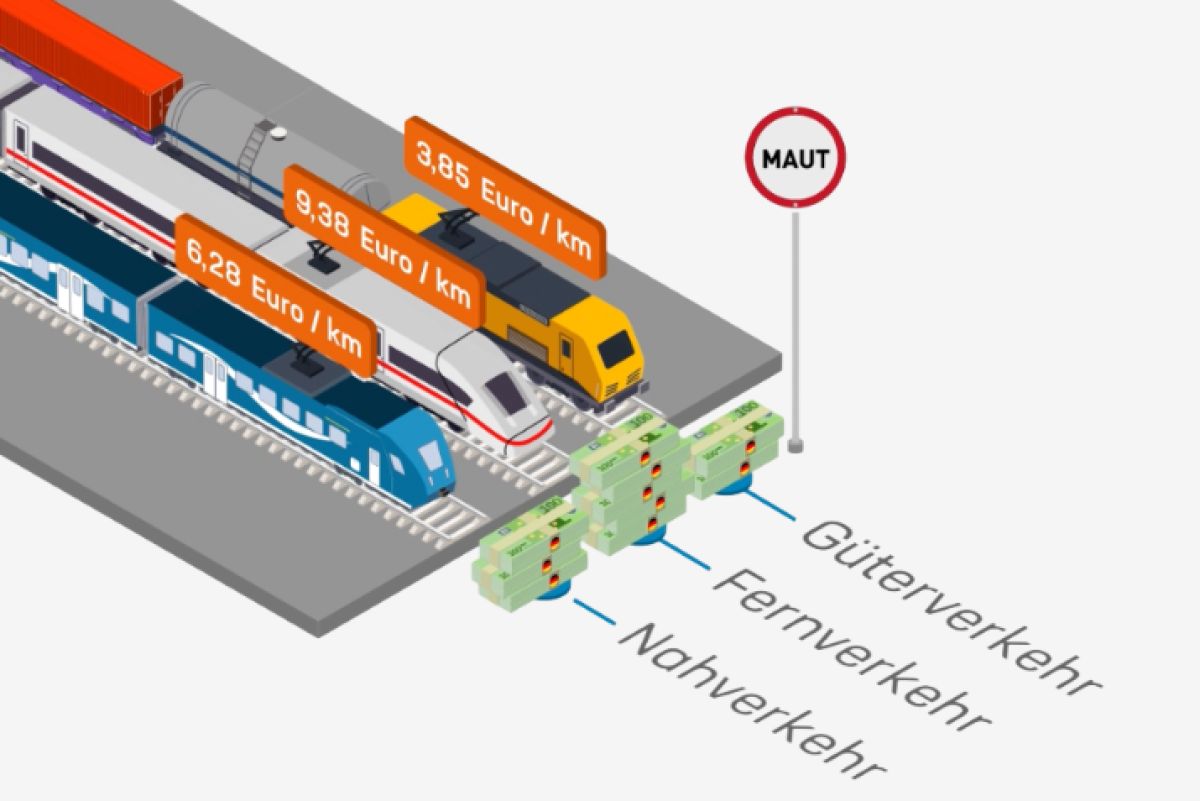
In 2026, a standard freight train, covering around 85% of German freight train paths, pays EUR 3.93 per train-km. DB InfraGO is targeting track access charge revenue of up to EUR 8bn in 2027, more than 50% above the 2019 level, while train-km on the network increased by about 5% over the same period.
The existing model combines marginal costs with full-cost mark-ups. In freight, around 40% of track access charges are based on marginal costs, while around 60% comes from full-cost mark-ups. The mark-up share is higher in passenger traffic.
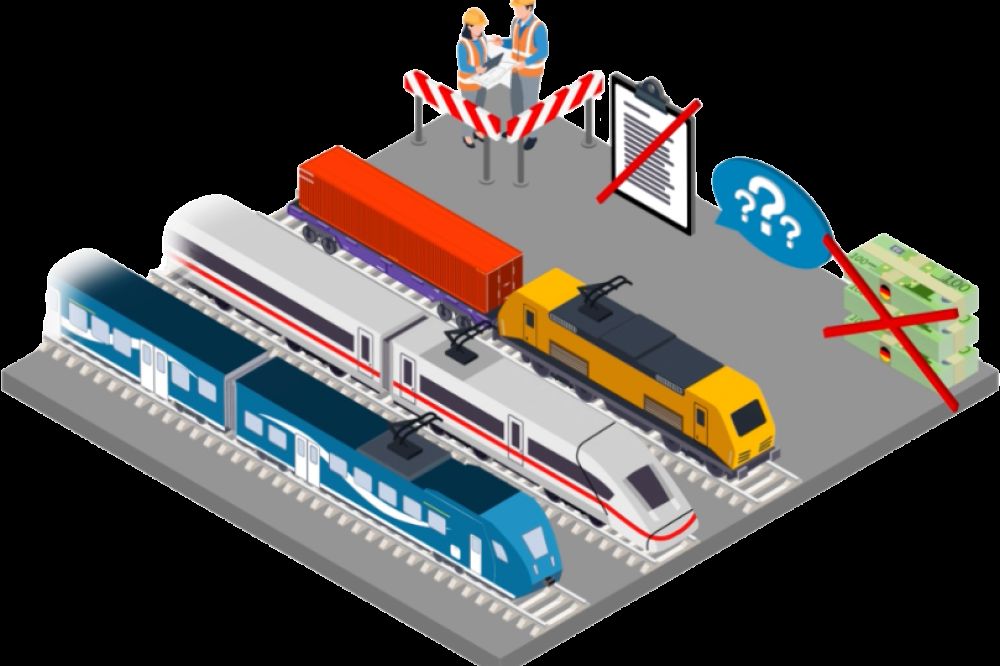
The sector proposal would move the system toward marginal-cost-based pricing. For a standard freight train, the proposed entry price would be EUR 2 per train-km.
The reform concept also includes a five-year price period. Under this model, the Bundestag would define the initial price level and adjustment formula one year before the system enters into force. Annual adjustments within the period would then follow a sector-specific inflation index without a new approval procedure each year.
The current annual approval process has become a planning risk for operators. Track access charges for the 2026 timetable year were approved only two days before they entered into force, although train operators had applied for capacity months earlier.
The proposal would also bundle existing federal funding flows into a multi-year agreement between the federal government and DB InfraGO. This would replace separate annual arrangements covering items such as maintenance support, track access charge subsidies and regionalisation funding.
A further element concerns DB InfraGO’s regulated return. The current framework allows a return of 1.9% on equity employed, equivalent to around EUR 472m, which is included in the cost base for track access charges. The reform proposal links efficiency incentives and network quality more directly to the infrastructure manager’s income.
For operators, the issue is commercial as well as regulatory. Higher track access charges feed into passenger fares and freight rates, while late price decisions make annual timetabling, customer offers and capacity planning harder to manage.
The debate comes as Germany’s governing coalition has included track access charge reform in its programme. The sector is pressing for a model that gives operators predictable network access costs while shifting a larger part of infrastructure financing from train path users to stable federal funding.