The European Commission’s current proposal allocates €51.5 billion to the Connecting Europe Facility for 2028–2034, with only part of the funding available for rail projects.
The European Rail Supply Industry Association, UNIFE, argues that the fund should be increased to at least €100 billion to support heavy rail, light rail and other transport infrastructure across Europe.
It is calling on the Irish government to promote the higher allocation during negotiations on the next EU budget. Ireland’s upcoming presidency of the Council of the EU would also give the country a role in discussions on public procurement reform and railway regulation.
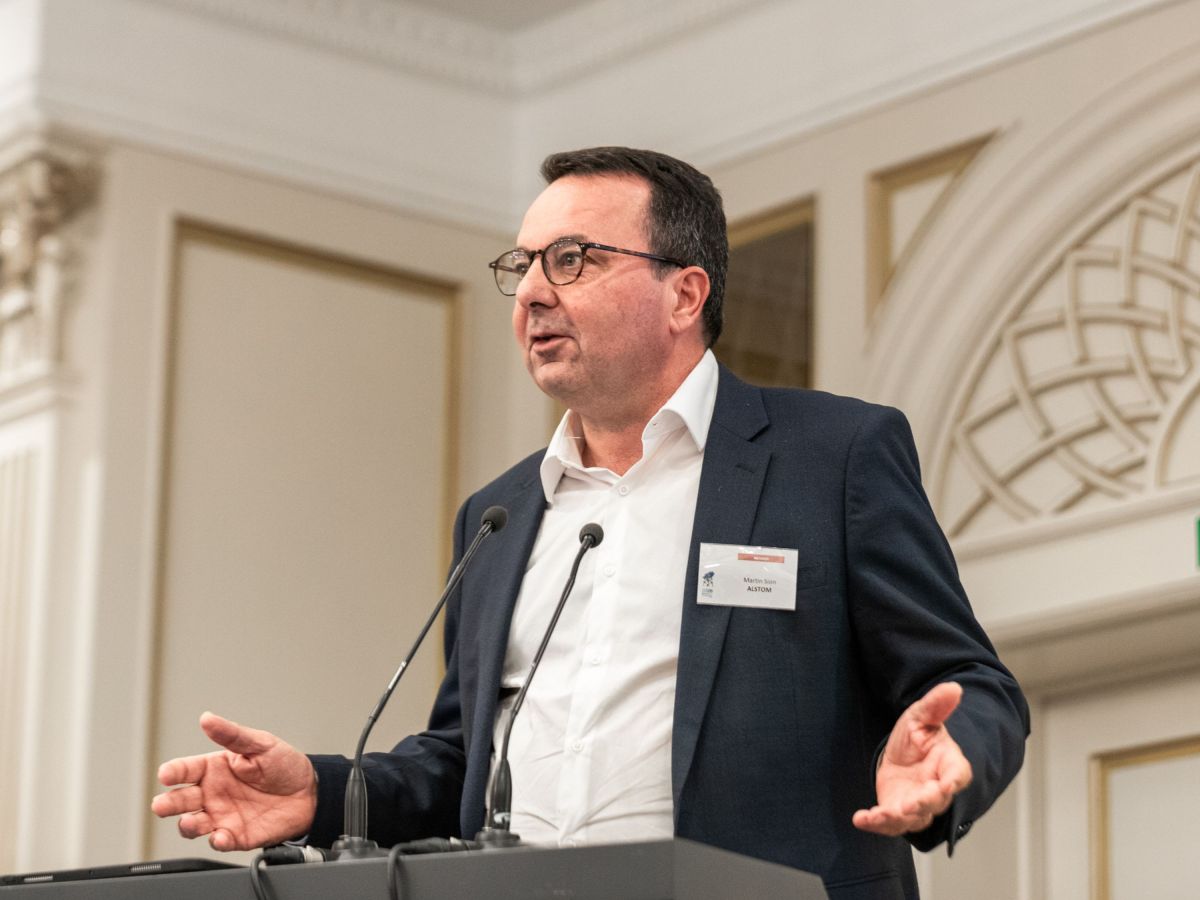
“It is encouraging to see Metrolink underway, but it is just the start. Ireland needs significantly more EU funding to assist with its rail plans,” said Enno Wiebe, Director General of UNIFE.
Ireland’s 2025 Rail Project Prioritisation Strategy includes investment in signalling, tracks, level crossings and rolling stock, with the aim of increasing service frequency and expanding access to the railway network.
According to figures cited by UNIFE, completion of the strategy could bring an additional 700,000 people within five kilometres of a railway station, an increase of around 25%.
The association also highlighted congestion in Dublin, Cork and Galway, arguing that rail investment needs to extend beyond Dublin’s Metrolink project.
“With an investment of at least €100 billion in the next EU budget for the Connecting Europe Facility, more funds could be available to support a range of rail and tram projects across Ireland,” Wiebe said.
UNIFE is also calling for changes to EU public procurement rules and reduced regulatory burdens for railway suppliers. It said Ireland could help advance both procurement reform and the revision of the regulation governing the European Union Agency for Railways during its presidency.