The strongest operational response identified so far is in Britain, where National Rail and LNER are advising passengers to avoid non-essential travel on the hottest days. Continental operators are generally keeping services running while adding heat-specific controls around infrastructure, rolling stock and passenger welfare.
United Kingdom: National Rail and LNER reduce travel demand
National Rail has issued network-wide hot weather advice for England and Wales, with temperatures of up to 38°C possible and red and amber Met Office warnings in place until Thursday 25 June. Passengers travelling on 24 and 25 June to, from or within the red warning zone are being told to travel only if absolutely necessary.
Ticket easements are part of the response. Tickets for 23, 24 and 25 June can be used instead on Friday 26 June, while passengers choosing not to travel on those dates can claim a full refund without an administration fee. National Rail is also advising passengers to travel before midday where possible, carry water, wait in shade or waiting rooms, and check journey planners before departure.
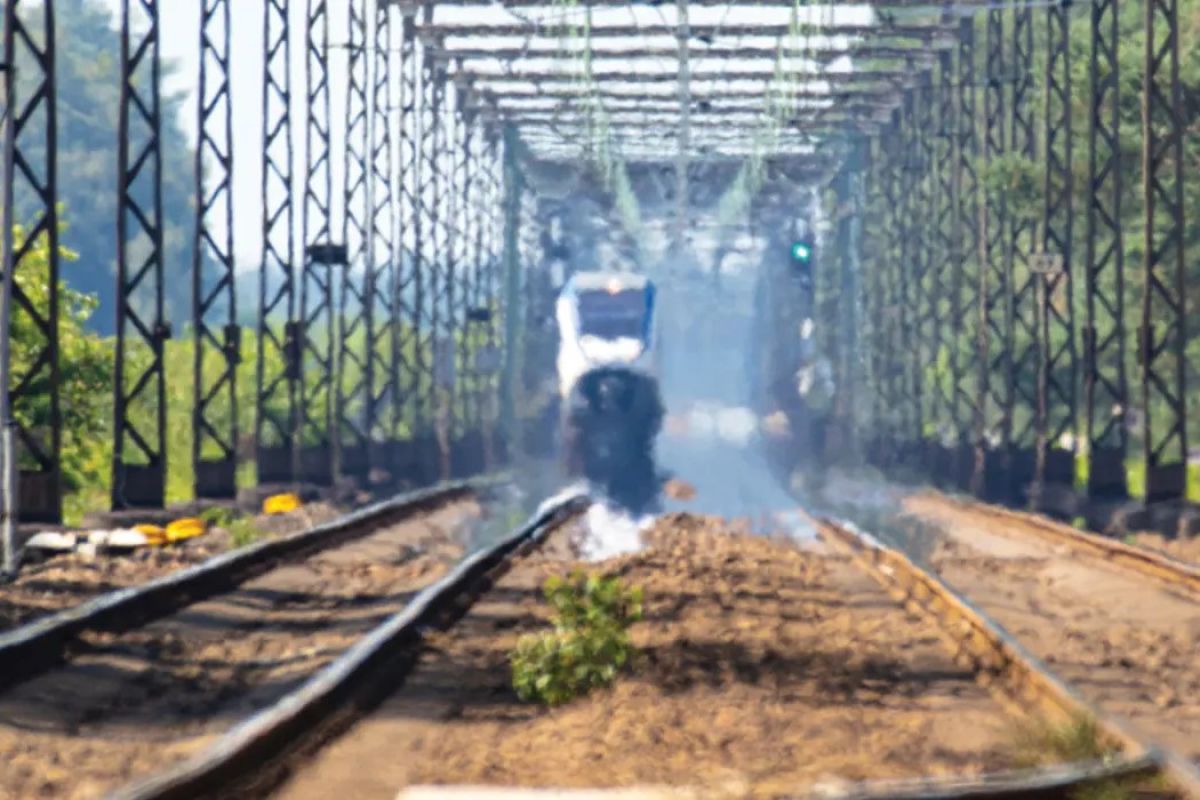
The technical risk identified by National Rail includes sagging overhead lines, lineside fires and rail buckling. Speed restrictions may be introduced, causing delays and cancellations.
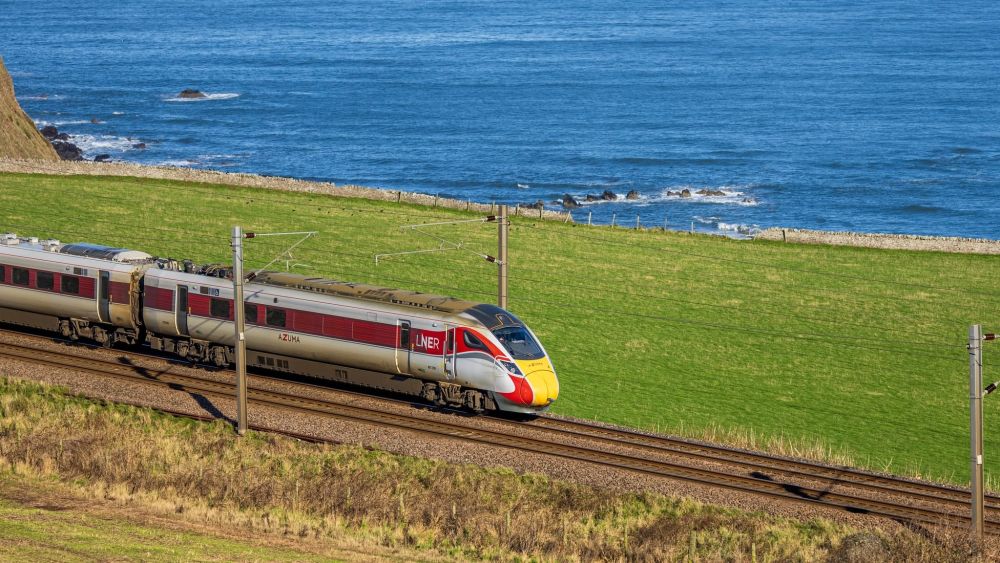
LNER has issued separate advice for the East Coast Main Line, telling passengers booked on Wednesday 24 and Thursday 25 June not to travel following a red heat warning. The operator says Network Rail may introduce speed restrictions, increasing journey times and requiring LNER to reduce services on both days. Tickets for 24 and 25 June can be used on LNER services up to and including Tuesday 30 June, or refunded in full.
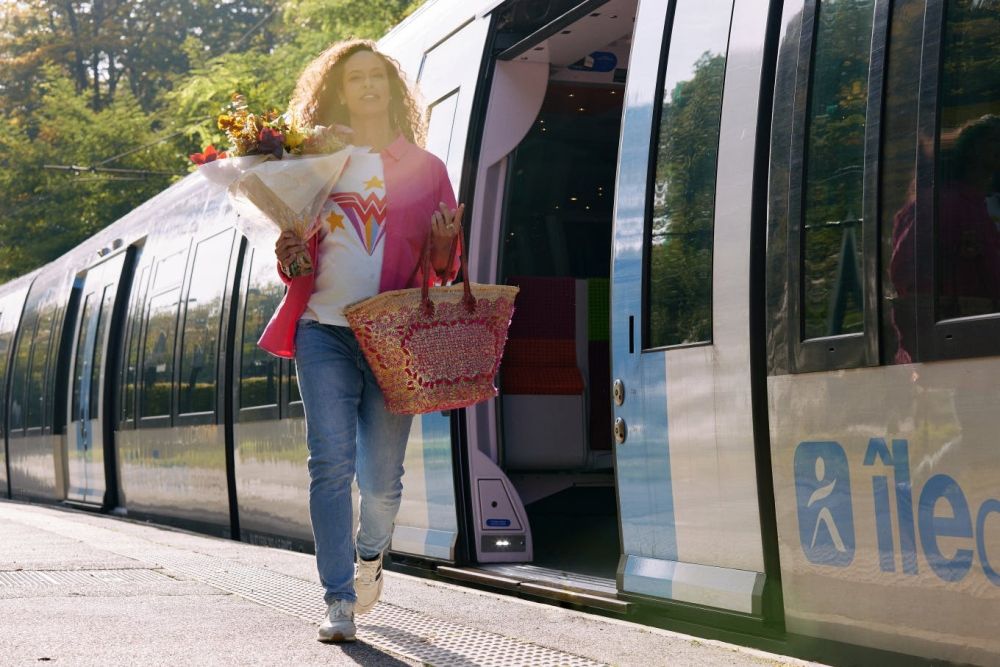
France: Île-de-France prepares for speed limits and service changes
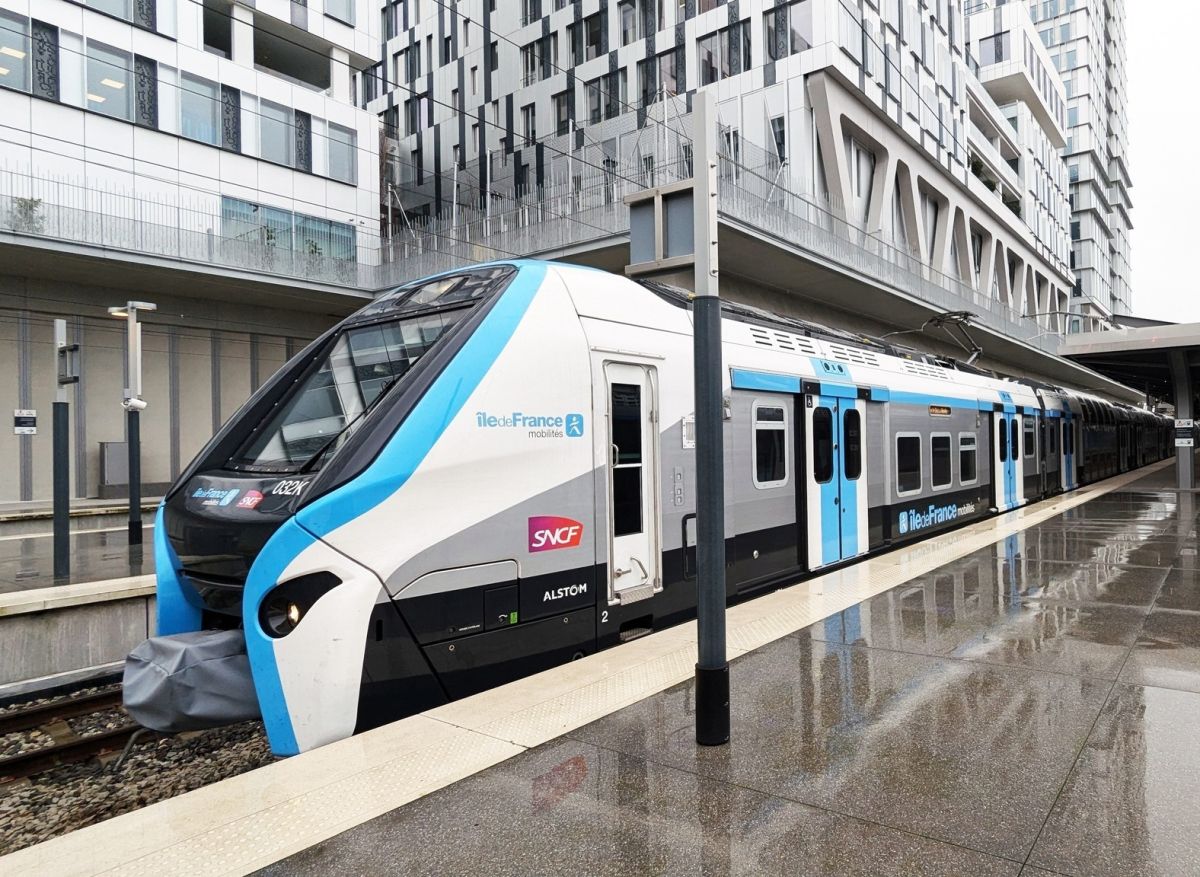
Île-de-France Mobilités is warning that high temperatures can disrupt RER, train and tram operations because overhead power cables may slacken or break and rails may expand. It says rail temperatures can reach 50–60°C when outside temperatures exceed 37°C.
The Paris regional transport authority says operators may introduce speed restrictions once temperatures exceed 30°C. Services may also be cancelled or reorganised where rail deformation creates a safety risk. SNCF Réseau and RATP teams are inspecting track and monitoring trains, trams and RER operations in real time.
Passenger guidance focuses on avoiding peak hours, checking traffic information before travel, carrying water and choosing air-conditioned routes where available. Île-de-France Mobilités says 100% of trams, 75% of trains and RER trainsets, 60% of buses and coaches, and 50% of metro trains had air-conditioning or refrigerated ventilation in June 2026.
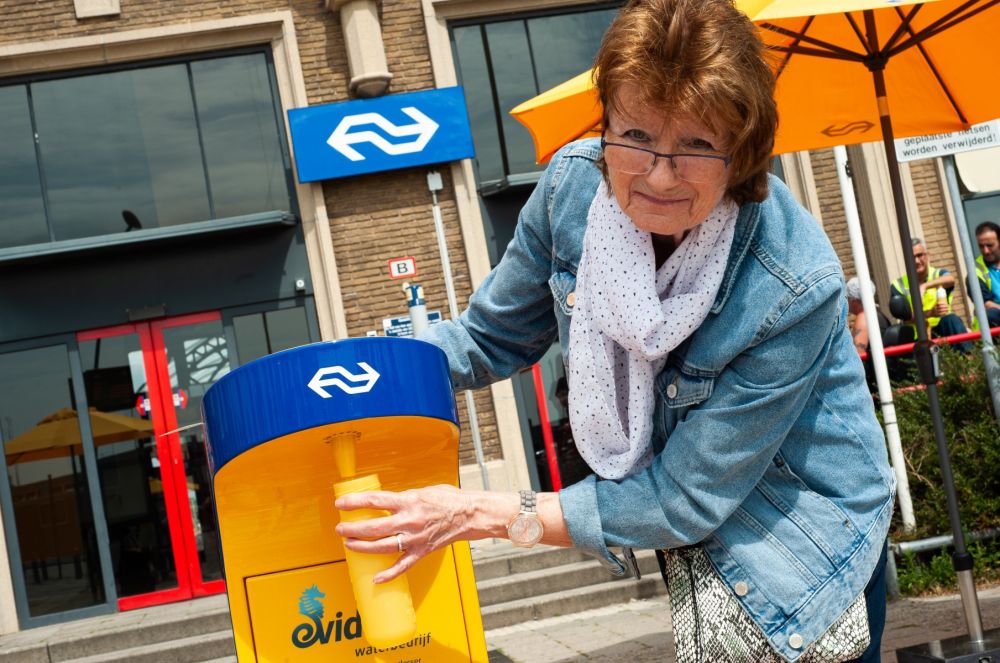
Netherlands: NS focuses on preparation rather than travel bans
NS is presenting its heat response as an operational preparation exercise. The Dutch operator says warm days can affect both passengers and railway systems, and it prepares extra measures before high temperatures arrive.
The company’s approach is centred on monitoring services, preparing staff and informing passengers. NS is not using the same “only travel if necessary” message seen in Britain in the material reviewed, but its communication places emphasis on planning journeys and being ready for disruption during warm weather.
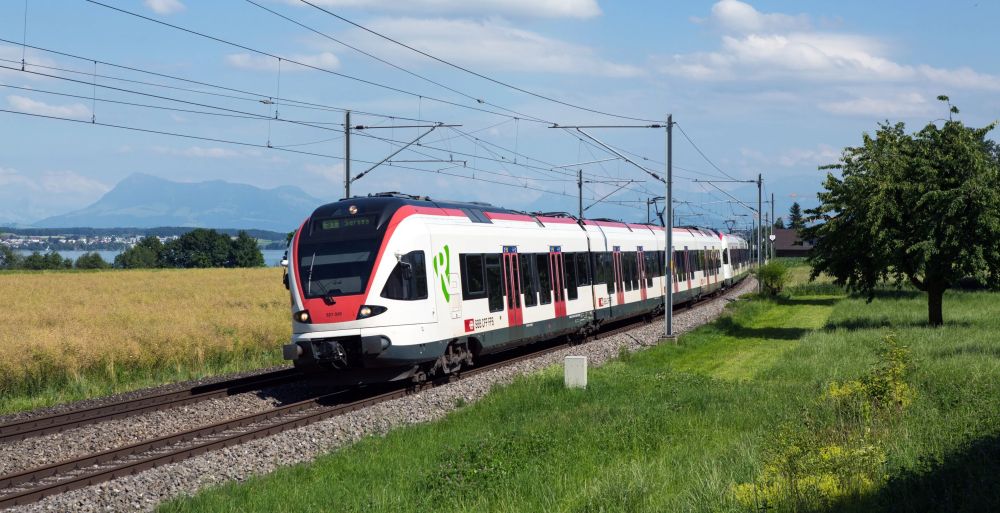
Switzerland: SBB increases infrastructure control and uses local cooling
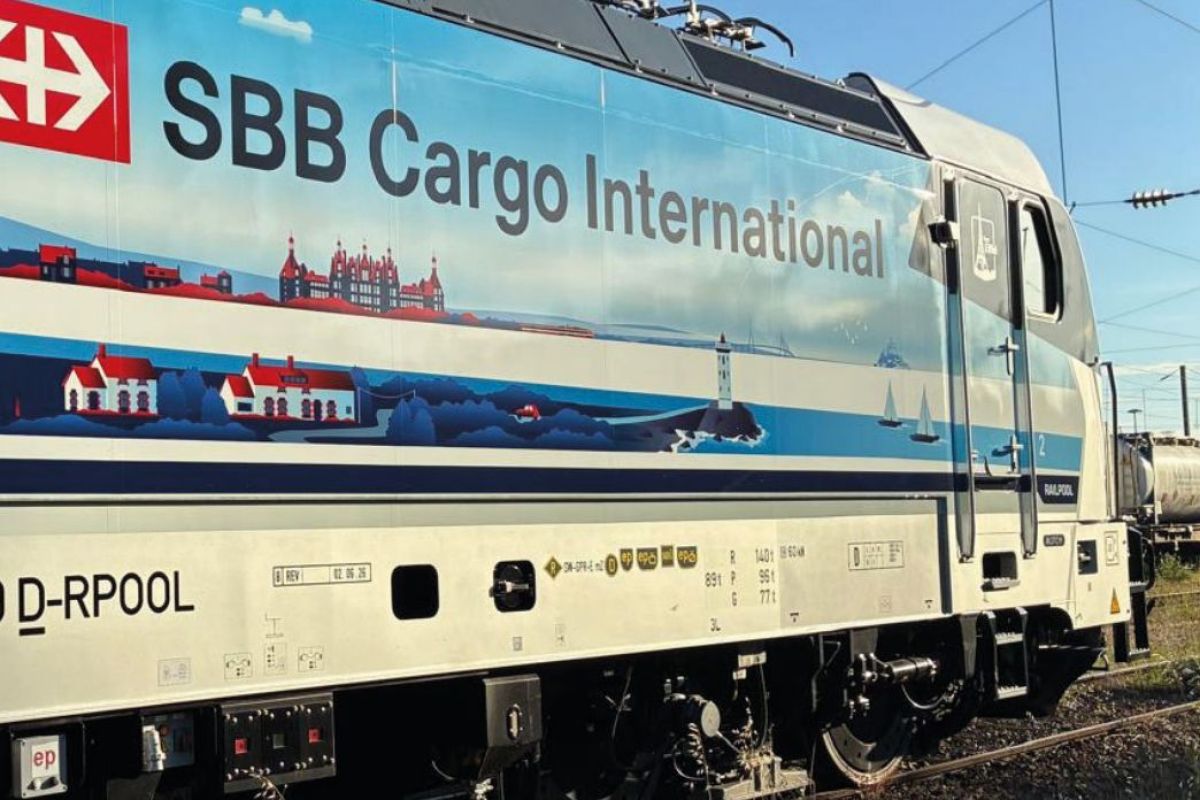
SBB’s heat response is mainly infrastructure-led. The Swiss operator says main lines are inspected every two to four weeks by trained route inspectors, with additional regular checks intended to identify heat-related track deformation quickly. In most cases, SBB says the immediate measure is a local speed reduction, followed by track correction or rail replacement if needed.
SBB also uses concrete sleepers more widely because they absorb lateral forces better than wooden sleepers when rails expand in heat. Where this is not enough, rails can be cooled with water from tank wagons, particularly on exposed sections, older track or after maintenance work.
The operator does not generally paint rails white. SBB says tests by SBB, DB and ÖBB found a rail-temperature reduction of around 5°C, which it considers too limited given the effort and disadvantages, including more difficult crack detection.
Passenger communication is handled through station and onboard displays, announcements and online channels. SBB says disruption and delays remain possible during high temperatures, particularly where heat coincides with construction work.
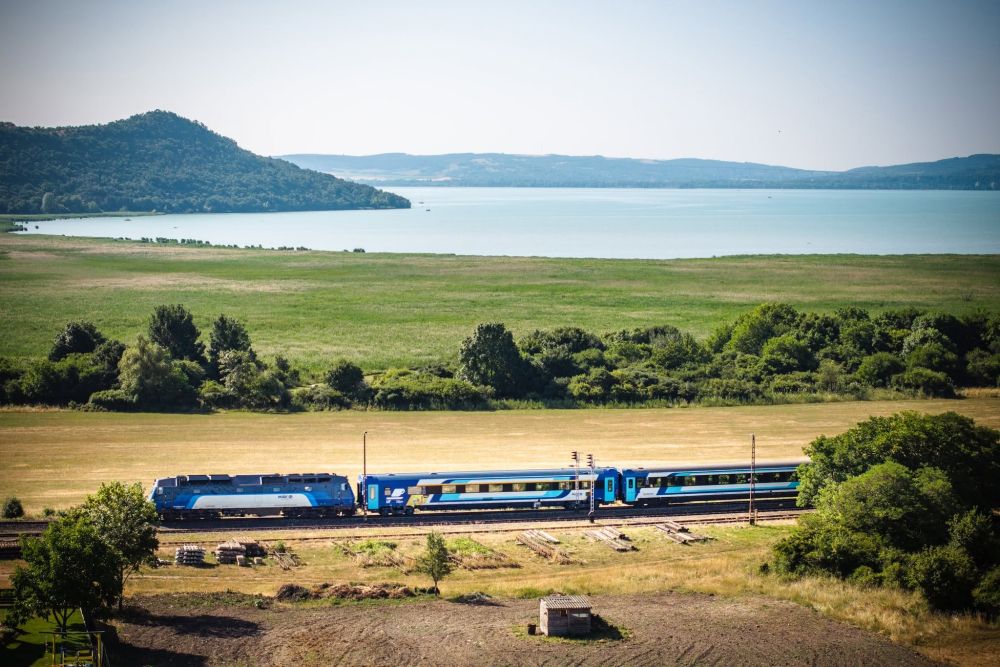
Hungary: MÁV distributes water at stations
MÁV Group has activated passenger welfare measures during Hungary’s second-level national heat alert, running from 20 June to 23 June. The company is distributing free bottled water during the alert period under an order from the transport ministry.
Water is available daily from 10:00 to 17:00 at Budapest’s Déli, Keleti and Nyugati stations and at major regional stations including Debrecen, Győr, Miskolc, Nyíregyháza, Szeged, Pécs, Székesfehérvár and Szolnok. MÁV is also using mist gates at busy stations including Nyugati, Déli, Debrecen and Pécs, with further locations planned.
The company is asking passengers not to travel without enough drinking water and to avoid standing in direct sun where possible. Timetable changes caused by weather are being updated through MÁVINFORM.
Europe-wide pattern
The operational split is clear. Britain is using demand management, ticket flexibility and reduced service plans ahead of the hottest days. France and Switzerland are emphasising infrastructure protection through monitoring, speed limits and technical measures. Hungary is focusing on passenger welfare at stations. The Netherlands is communicating preparation and passenger guidance without a travel-ban message in the material reviewed.
The common technical risks are rail expansion, track deformation, overhead line sagging and power-supply disruption. The common passenger-facing measures are journey checks, water, shade, flexible travel and warnings that short-notice changes remain possible.